Every industry has a version of this question. Would you rather buy a restaurant kitchen from a catering-supply catalog, or from a chef who has run that exact line through a thousand dinner services? The equipment might look identical on the invoice. The knowledge behind it is not — and in gym equipment, the knowledge is most of what you are paying for.
What a dealer optimizes for
A dealer’s economics are simple and honest, as far as they go: margin on the transaction. The catalog is assembled around what is available to trade at good margin; the pitch is assembled around closing this quarter. None of this makes dealers bad people. It makes them structurally indifferent to year three— the year your cable frays, your upholstery splits, and your members start posting photos of the out-of-order sign. By year three, a dealer’s relationship with your purchase ended two years and many customers ago.
You can see the incentive in the artifacts. Dealers publish brochures, not price lists. They quote packages as single opaque numbers. Their service promise is an adjective (“prompt”), their showroom machines have zero hours on them, and their reference installs are places they shipped boxes to — not places they answer to.
What an operator cannot avoid knowing
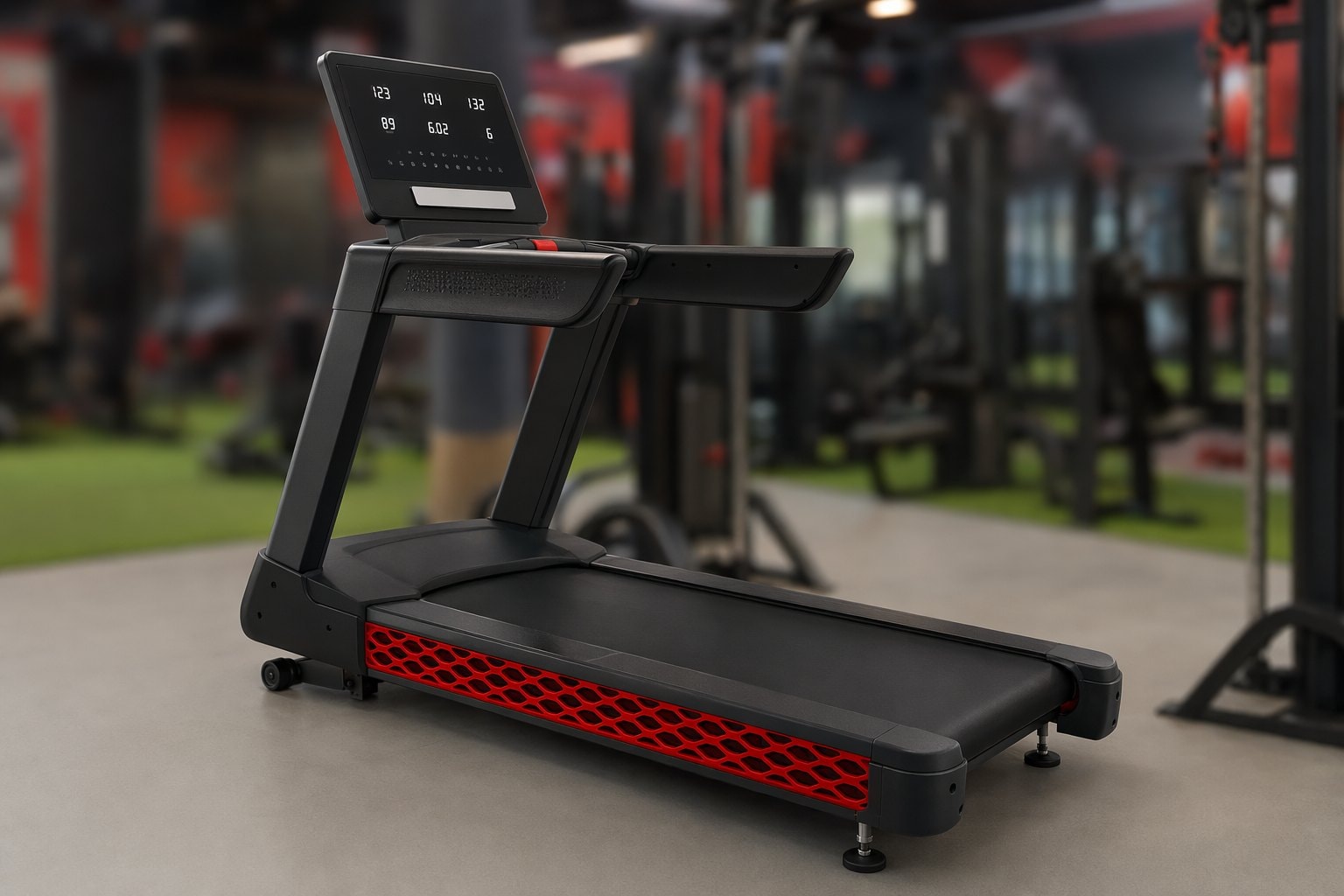
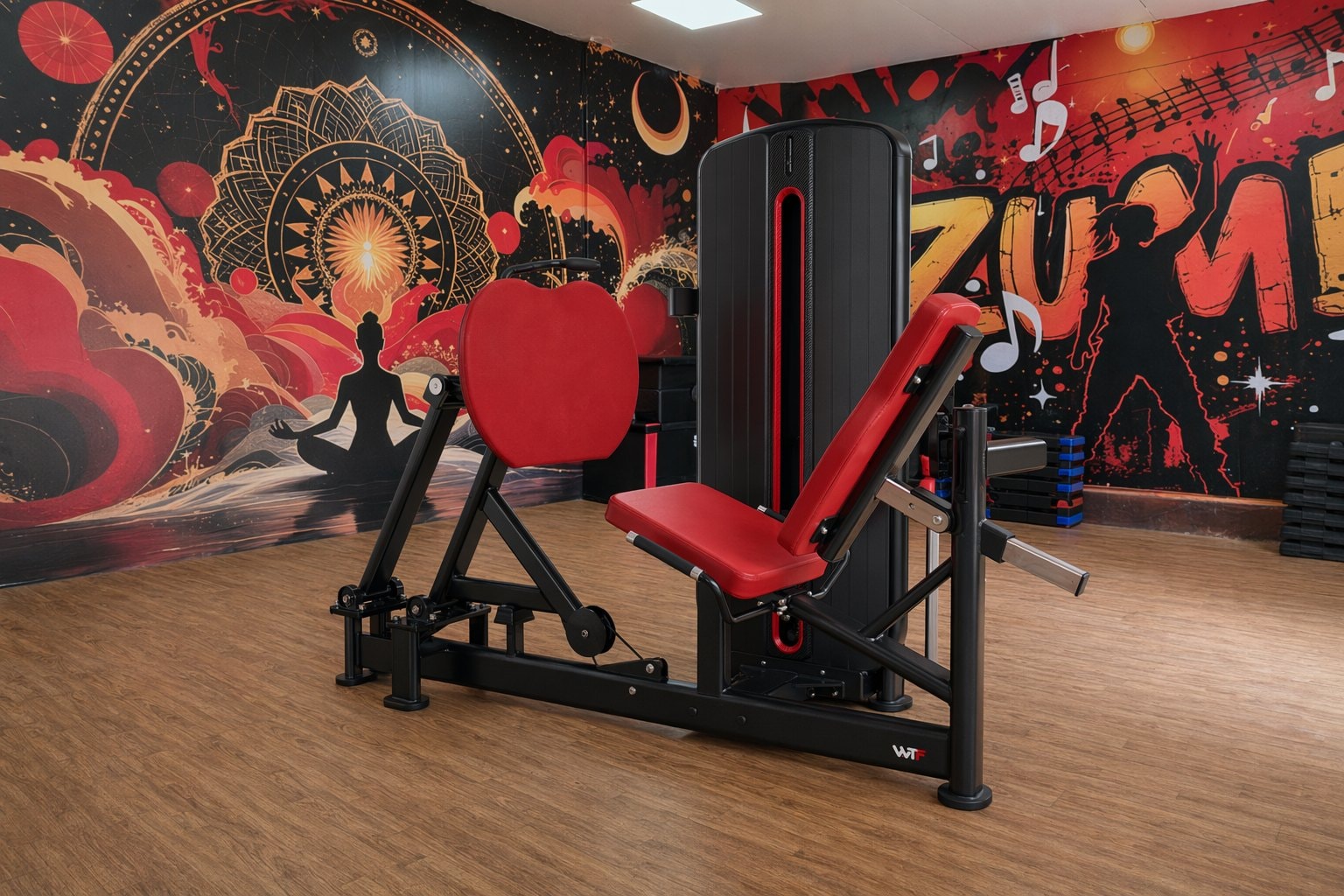
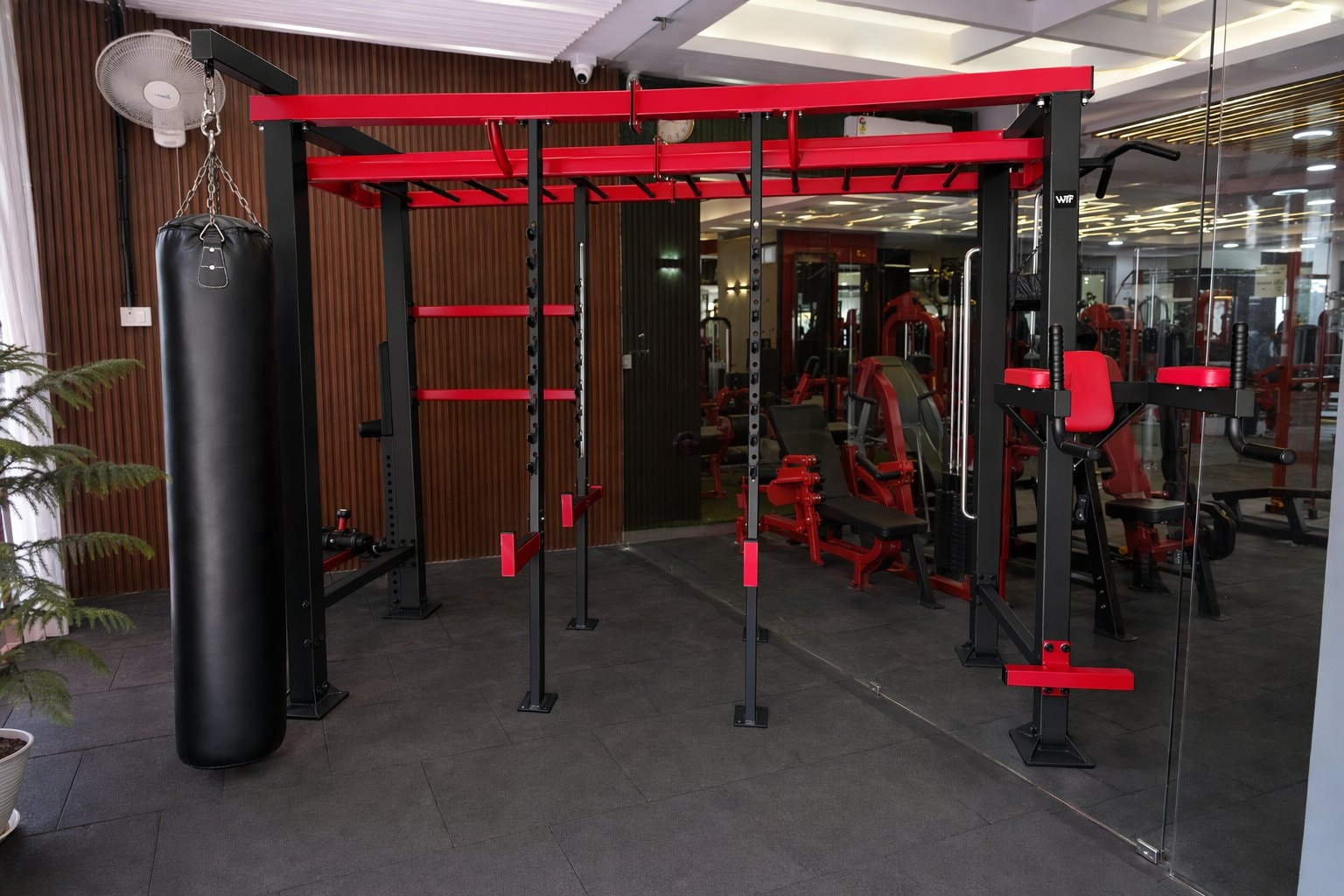
An operator runs gyms. Which means an operator pays for every equipment mistake twice: once at purchase, and every month afterwards in service costs, downtime and member churn. We run 260+ WTF gyms, open 24×7, with 38K+ member transformations behind them — and that portfolio works as a filter no dealer can replicate:
- The catalog is survivorship. The 435 machines we sell are the ones that survived our own floors. The cable systems that frayed in month three, the frames that developed play, the consoles that died in the Delhi summer — they are not in the catalog, because we stopped buying them for ourselves.
- The service network already exists. Our 72-hour service SLA is not a promise invented for customers. It is the network that keeps our own centers open, extended to yours — technicians who already know every machine, and spares already stocked in India because our own gyms cannot wait for a container.
- The pricing is fleet pricing. We buy at the scale of our own network and publish what things cost — every package lists each machine, its quantity and its MRP next to the package total. Transparency is cheap when your margin does not depend on the buyer not knowing.
- The advice has P&L behind it. When we say a 2,500 sq ft floor does not need a third treadmill row, that is not a sales position — it is what our own membership data says about how floors are actually used.
Skin in the game
There is a simple asymmetry underneath all of this. When a dealer sells you a weak machine, you bear the consequence. When an operator sells you a weak machine, the operator bears it too — the same model is on our floors, breaking in front of our members, on our service budget. We cannot recommend to you what we would not run ourselves, because we arerunning it ourselves. Advisors advise gym owners. Our founders are gym owners, with the P&L consequences of every equipment decision in this catalog.
The test you can run today
You do not have to take the argument on faith — it is checkable. Ask any equipment seller three questions. One: name a commercial floor where this exact model has run under member load for two years, and can I train on it? Two: show me a line-item price list. Three: what happens, in written hours, when it breaks? A dealer struggles with all three. An operator answers from memory.
Our answers: any WTF gym near you is the demo floor — ask us for the nearest center running the machine you are considering. Every package’s bill of materials is published. And the SLA is 72-hour service SLA, with first response within 4 working hours and an itemized quote within 24 hours, in writing on our terms of business.
Go deeper: the 7 operator questions to ask any manufacturer and real gym setup costs from our own 260 gyms.